Tracy
You Only Live TwiceTracy’s brief marriage to James Bond ends in a killing that reshapes his life: shot dead by Ernst Stavro Blofeld within hours of the wedding, she becomes the absent presence behind James Bond’s shock, self-blame, and growing inability to function. The narrative gives little account of Tracy beyond her relationship with James Bond and the circumstances of her death, but makes the consequences of that loss central to his story.
Identity and Marriage
Tracy is presented through the account of Sir James Molony, who explains her place in James Bond’s life to M. Before meeting her, James Bond had been a bachelor and a confirmed womanizer. Sir James Molony suggests that James Bond fell in love partly because Tracy was vulnerable and needed his help; this is the doctor’s interpretation of the relationship, not a fuller account of Tracy’s own perspective.
James Bond married Tracy. The marriage is described as a decisive change in his emotional life: the experienced agent who had seemed tough and self-contained had formed an attachment that left him exposed to profound grief. Its brevity makes the transition especially stark. Within hours of the wedding, Tracy was shot dead.
Death and Its Consequences
Ernst Stavro Blofeld is identified as the super-gangster who killed Tracy. James Bond survived the encounter with no worse physical injury than a blow to the head, but his apparent physical survival concealed a far more serious emotional wound. Sir James Molony rejects the idea that James Bond’s subsequent decline came from brain damage. He diagnoses shock, describing the loss of a loved one as an intolerable life-situation made harder by James Bond’s belief that he was responsible for her death.
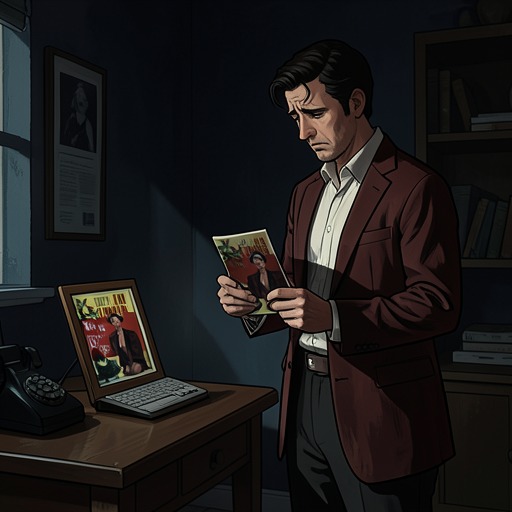
That self-blame and grief, in Sir James Molony’s account, stripped James Bond of his zest. He lost interest not only in his work but in life itself. His distress developed into a collapse visible to M. through lateness, neglected work, mistakes, excessive drinking, and losses at gambling clubs. The professional deterioration therefore follows the personal catastrophe: the agent’s conduct is not presented simply as a sudden failure of discipline, but as the outward consequence of a bereavement he has been unable to bear.
Memory and Narrative Significance
Eight months after Tracy’s death, on the last day of August, James Bond sits in Queen Mary’s Rose Garden in Regent’s Park with his attention fixed on his health and the natural world—concerns he had previously taken for granted. The passage marks the reach of the loss through what has changed in his attention: ordinary matters that once registered only as background now occupy his mind. His physical misery, poor sleep, lack of appetite, drinking, and failing work give that inward change practical and bodily consequences.
Tracy’s role in the narrative is thus defined less by a sustained account of her actions than by the rupture her death creates. Her loss is the source of James Bond’s shock, and his conviction that he bears responsibility prevents the bereavement from remaining a past event. The contrast between his former toughness and his present collapse makes the marriage’s emotional significance unmistakable, while the garden scene shows grief altering even his perception of everyday life.